Mobile App Developer Freelancer UK — Hire Directly, No Agency
You need someone to build your app, not a sales call, a proposal deck and a team you never meet. As a freelance mobile app developer working with UK clients, I take the brief, write the code, and hand you an installable build every couple of weeks — same person, same inbox, start to finish. No account manager relaying messages, no junior swapped onto your project after the pitch. Just a clear scope, a fixed quote and a working app on your phone within weeks, not quarters.
UK and International Teams This Freelance Developer Has Shipped For
Mobile Apps Built for UK Clients, Start to Finish
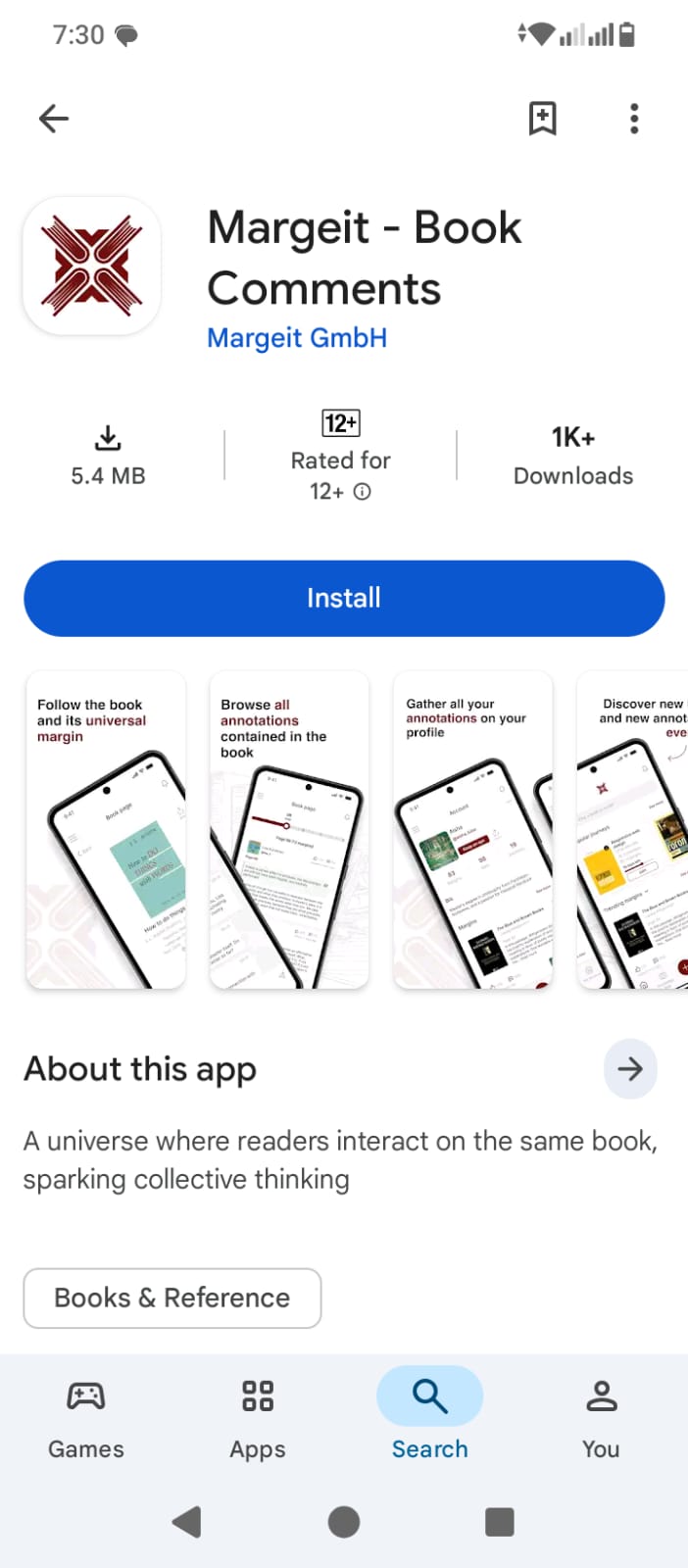
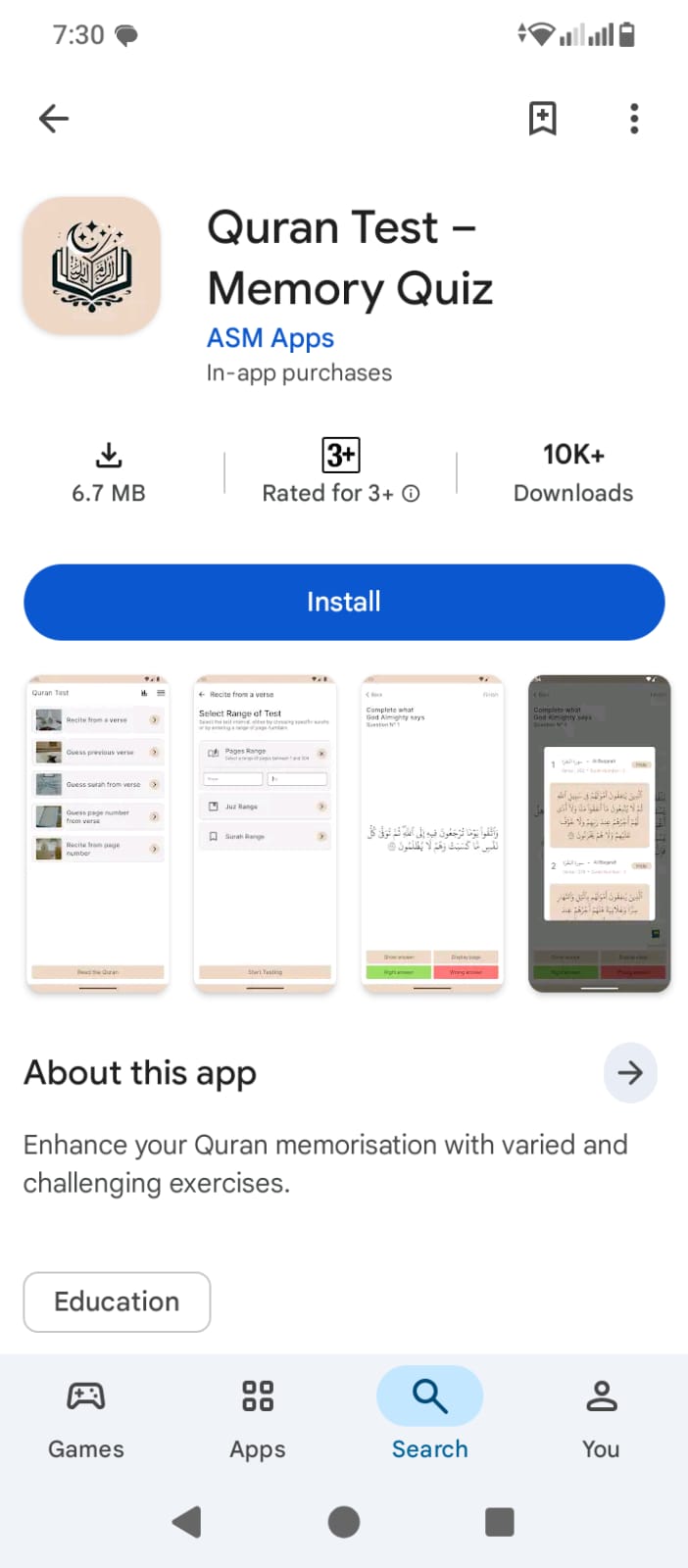
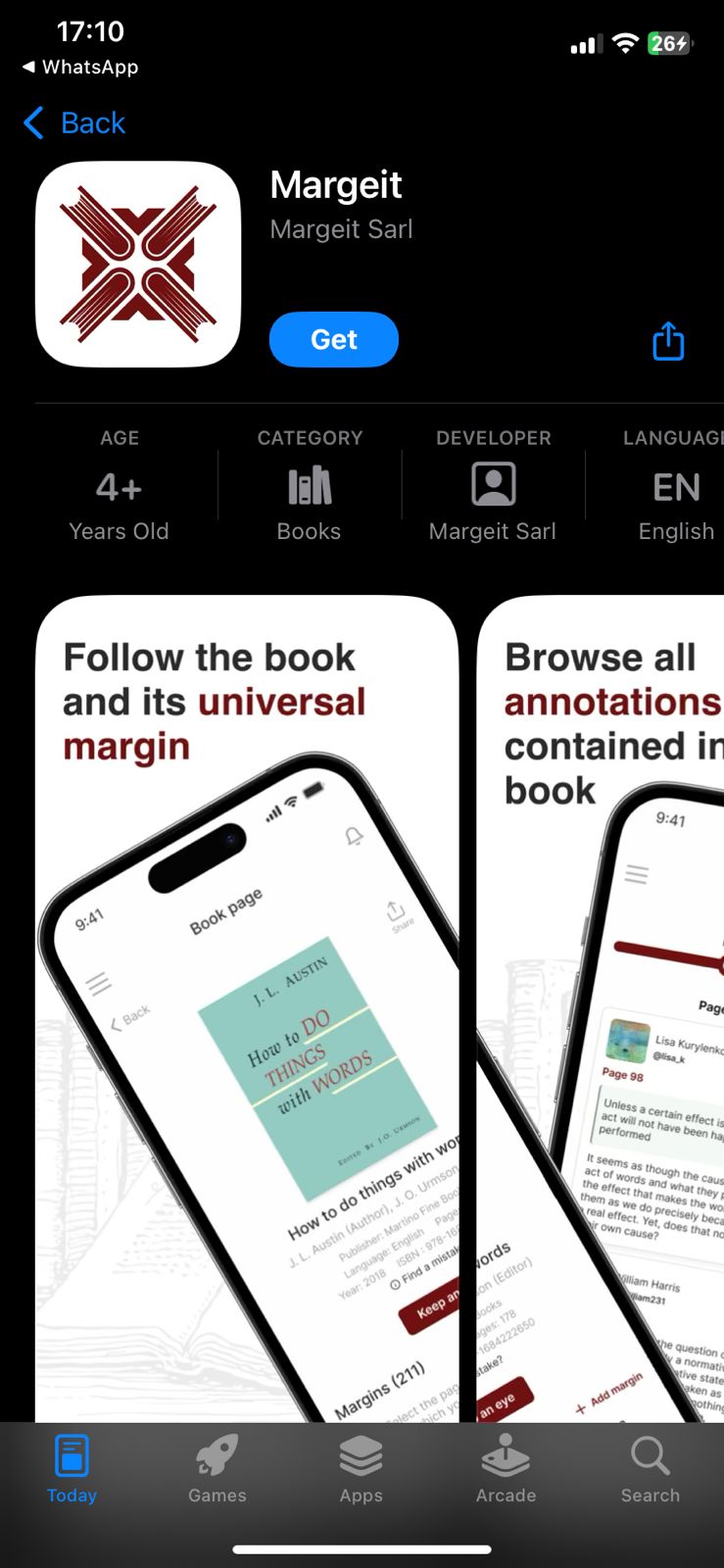
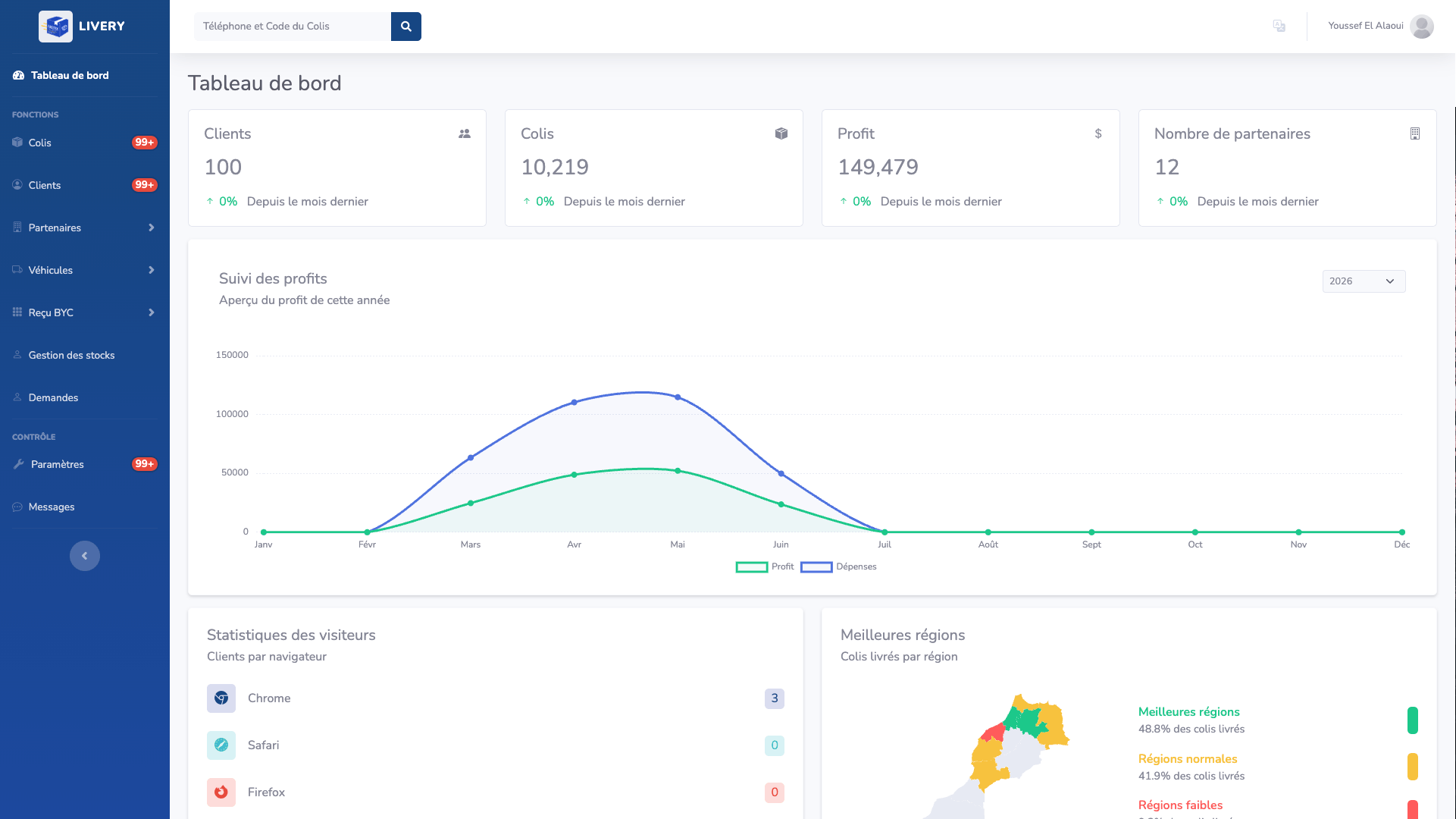
Every app below started as a call with the founder or team behind it, and every line was written by the same freelance developer who took that call. Native where the platform genuinely rewards it, cross-platform where a second store has to launch on a tighter budget. All of them are live and still maintained.
Before any commitment, we talk — and it is a call with the freelance developer, not a business development rep working from a script. Thirty minutes is $20, priced low enough that it is never the reason you hesitate, and slots are usually available within a day or two, working hours that overlap the UK day. We go through what your app needs to do at launch, whether native or cross-platform genuinely fits your budget, and roughly what it should cost — so you leave with a plan you can act on, with me or without me. If you decide to go ahead, the $20 comes off your first invoice.
Send the idea, a rough feature list and the deadline you are working to. A few sentences is enough — no brief to fill in, no form routed to a sales team, and the reply comes from me.
Consulting is $20 per 30 minutes, usually bookable within a day or two, working hours that overlap the UK day. In that half hour I cover what your app actually needs, native or cross-platform, what it will cost, and which features are safe to cut from version one — developer to client, no intermediary.
You leave with a written scope and a fixed quote that is yours to keep, whether you hire me or not. Say yes and the build starts the same week, on one contract, with no agency attached. The $20 comes off your first invoice.
Pricing
What Does a Freelance Mobile App Developer Cost in the UK?
UK app development agencies commonly quote £400–£800 a day, which puts a modest MVP well into five figures before a single screen is designed. Freelance rates vary far more — from around £25 an hour for developers new to the market to £70–£100 an hour for someone with a real shipping history — and the honest answer is that the hourly figure tells you very little. What decides your final number is the feature list, not the rate card, so any quote given before a proper scoping call is a guess dressed up as a number.
What actually moves the price: how many screens ship in version one, whether you need iOS and Android or just one platform, how much design work already exists, and how deep the backend needs to go. Payments, real-time chat, GPS tracking and offline sync each add real engineering hours, and so does anything touching money or personal data, because that code has to be tested far more carefully than a screen that only displays information.
The costs that catch people out are rarely in the first quote: App Store and Play Store submission and their review cycles, push notifications, analytics and crash reporting, an admin panel so you are not emailing a developer for every content change, and the hosting underneath it all. None of it is expensive in isolation, but leaving it out is exactly how a fixed-price project quietly becomes a variable one. I quote fixed prices per milestone directly to you, in GBP or USD, so the number you sign off is the number you pay.
Hi, I'm Zakaria — a freelance mobile app developer working closely with clients across the UK.
There's no studio, no sales pipeline and no support ticket queue standing between your message and the developer who reads it. I work UK hours where it counts, quote in pounds or dollars depending on what's easier for you, and stay the single point of contact for the life of the project. This journal is where I write about the actual work — the trade-offs behind a build, the platform quirks that eat a week if you don't see them coming, and what a mobile project really costs once the quiet line items are counted.
What a UK-Based Freelance Mobile Developer Actually Builds
Most UK app briefs need one thing above all: a build that works reliably on the mix of phones your users actually carry, not the flagship model in a demo video. For native Android that means Kotlin — coroutines and Flow for anything asynchronous, sealed classes so an unhandled state fails at compile time rather than in a Play Store crash report, and Jetpack Compose for the UI. For iOS it means Swift and SwiftUI built the way Apple's review team expects, not a cross-platform shim stretched to look native. Where a smaller budget genuinely calls for one codebase across both stores, Flutter or React Native gets you there faster, and I'll say so plainly when that's the better call for your budget rather than mine.
The unglamorous half of the job matters just as much. Offline-first storage so the app still opens on the Underground, push notifications and analytics wired in before launch rather than bolted on afterwards, payment integrations that pass PCI and App Store scrutiny on the first submission, and an admin panel so you can update content without emailing a developer every time copy changes. GDPR is not an afterthought for UK and EU users — consent flows, data retention and the App Store's privacy nutrition labels get built in from the first sprint, not patched in before submission.
Working with one freelance developer instead of an agency also changes what lands in your hands at the end. You get a codebase a second developer could pick up cold — sensible module boundaries, tests on the logic that actually matters, and a signed release build you can submit yourself. App Store Connect access, Google Play Console, source code and documentation transfer to you, registered in your name, not sitting inside an agency account you'd need permission to touch. If you decide to bring development in-house next year, nothing about how the project was run makes that difficult.
What This UK Freelance Developer Builds With
Android Studio
Swift
Kotlin
Flutter
Firebase
Figma
Git & GitHub
Postman
Workspace
Where Your Project Actually Gets Built
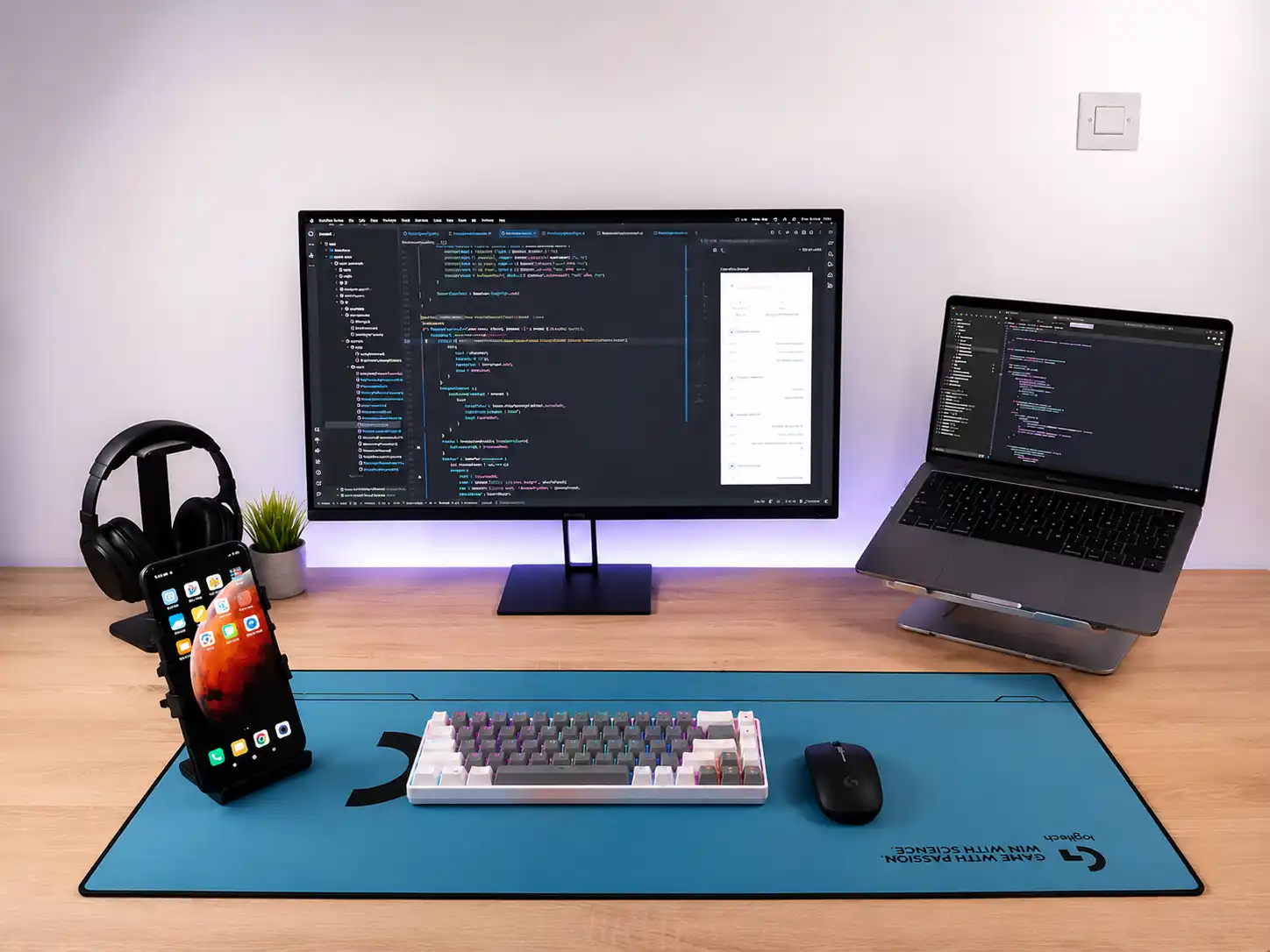
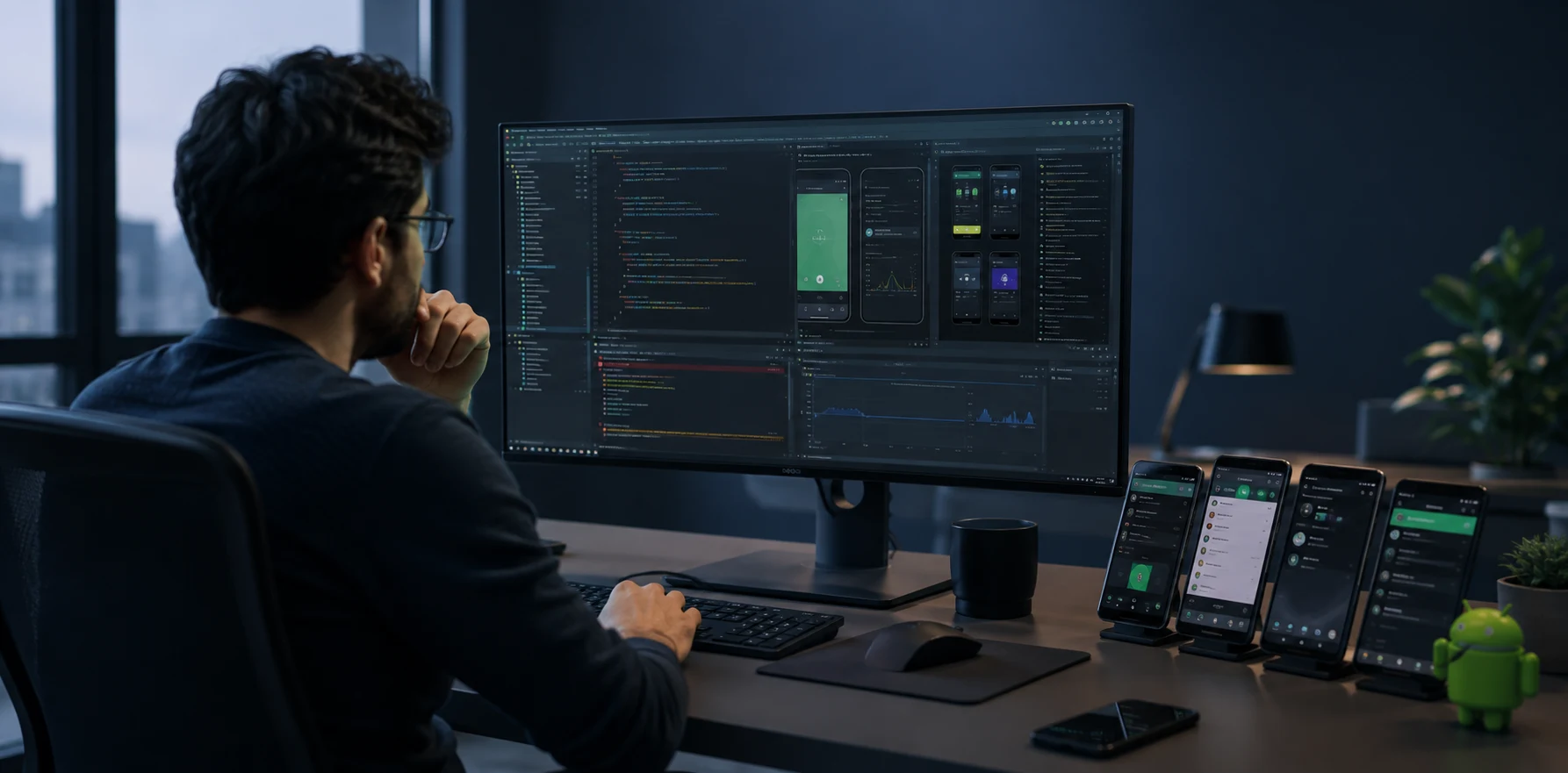
When you hire a freelance developer directly, you know exactly where the work happens: a proper desk, a Mac for iOS builds, and a drawer of real test devices — including the older, slower phones a chunk of any UK user base is still carrying. Everything here exists to shorten the distance between you asking for a change and seeing it running on an actual device.
A simulator is fine for laying out a screen and dishonest about everything else — battery drain, camera handling, how a mid-range Android copes with a cold start. Physical devices catch that before your users do. And because the same setup signs both iOS and Android builds, a project needing both platforms ships from one desk, on one contract, without a second developer or a subcontractor added to the mix.
Mobile app development services for UK clients, handled by one freelancer
Strategy, design, build and launch, run by one developer who is accountable for the outcome rather than a rotating cast of consultants. Nothing gets subcontracted out and nothing gets routed through an account manager relaying your requests. The person who scopes your project on the first call is the person who writes the code, submits it to the App Store and Play Store, and is still answering messages after launch. That means fewer things lost between a brief and a build, honest answers about what a change actually costs, and source code, documentation and store accounts that belong to you when the project ends.
Native iOS apps written in Swift and SwiftUI, built the way Apple's review team expects rather than stretched across a cross-platform shim. Proper handling of push notifications, in-app purchases, sign-in with Apple and the privacy nutrition labels Apple now requires at submission — so the first review pass has a real chance of going through clean.
Android App Development
Kotlin, the way the platform intends.
Production Android apps in idiomatic Kotlin: coroutines and Flow for concurrency, Jetpack Compose for the UI, Room and DataStore for offline-first storage, WorkManager for background sync. Built on a clear MVVM structure so the codebase still makes sense to whoever opens it in two years.
Cross-Platform Development
One codebase, when the budget calls for it.
Flutter or React Native when a single UK budget genuinely needs to cover both stores from day one — one source of truth for the UI and business logic, native modules bridged in wherever the platform demands it. I will also tell you when cross-platform is the wrong call, because for apps that lean hard on the platform, native usually pays for itself.
Backend & APIs
The part users never see.
REST and GraphQL APIs, authentication, roles and permissions, Stripe and other payment integrations, file storage and the database schema underneath, usually in Laravel or Node. The parts touching money and personal data get tested hard, because those are the ones that cost the most when they break — and the ones GDPR actually cares about.
App Store & Play Store Launch
From release build to live listing.
Submission is where a lot of first projects stall, so it is handled end to end: signing certificates, provisioning, App Store Connect and Play Console setup, data-safety and privacy declarations, screenshots, store copy, and the review notes that come back asking for one more change. Store accounts transfer to you afterwards so the listing is genuinely yours.
Code Audit & Rescue
Inherited a codebase that scares you?
A paid audit of a few days on an existing mobile codebase, ending in an honest recommendation: continue, refactor or rebuild, with the reasoning written down so you can get a second opinion. Then the actual work — untangling a stalled build, migrating an outdated dependency chain, or getting a rejected submission back into the stores.
Watch before you hire
See exactly who you would be hiring, and how the work runs
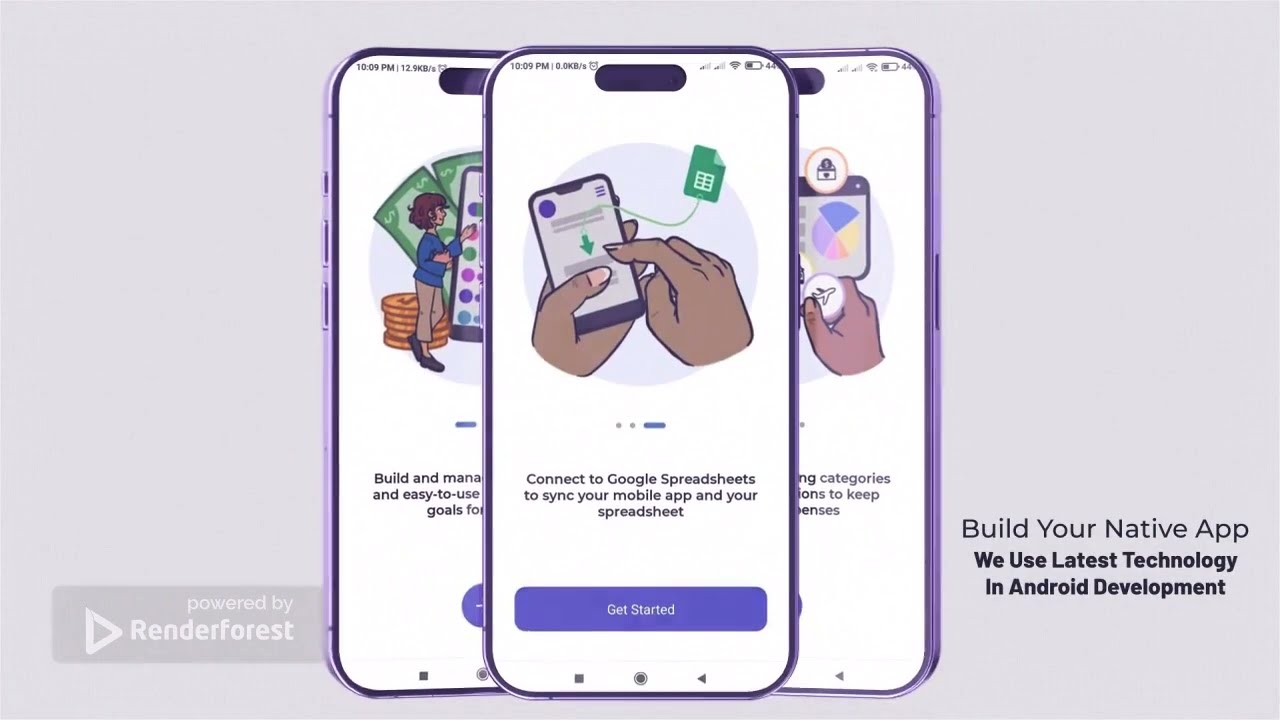
Real screens from shipped apps rather than stock mockups, the Figma prototype that let a client change their mind before anything was coded, and the moment a build lands on a real device and something obviously needs fixing. That part is normal, and how it gets handled tells you more about working with a freelance developer than any polished portfolio can.
It also covers the ending, which agencies tend to stay quiet about: exactly what lands in your account on launch day. Source code, documentation, signing credentials and store listings, all registered in your name. No slides, no pitch — a few minutes of the work as it actually happens, so you can decide whether this is how you want your own project to run before sending a single message.
3 min watch·Process walkthrough·Recorded 2024
3:04
How I Work
A clear path from first message to launch
Four predictable stages — discovery, design, build, delivery — and the same freelance developer at every one of them, so you always know where things stand. Most of the anxiety in a mobile project has nothing to do with code; it comes from silence, from not knowing whether what you paid for is actually on track. So the process is built to remove that: you get an installable build at the end of every sprint, not a written status update you have to take on faith, and every stage ends with something concrete — a scoped brief, a clickable prototype, an app on your own phone, a live listing.
Discovery Call — With Me
Step 01
We map the problem, the users and the budget before anyone mentions a framework, and you do it with the developer rather than a salesperson taking notes. I ask what the app has to do on day one and what can safely wait for version two, because that single distinction moves the price more than any technology choice ever will. Most people arrive with a feature list roughly twice the size of what a first release needs, and finding that out on a call costs nothing. You leave with a written scope and a fixed quote that is yours to keep, whether you hire me or not.
Design & Prototype
Step 02
Wireframes and user flows become a clickable Figma prototype you open on your own phone and tap through before a line of production code exists. This is the cheapest possible moment to change your mind, so we use it properly: screens get reordered, steps get cut, and things that felt obvious in conversation get tested against how they actually feel in the hand. The states most mockups skip get designed here too — empty, loading, offline, error.
Build & Review
Step 03
Development runs in two-week sprints, and every sprint ends with a build you can install and use rather than a status report you have to trust. You see progress on a real device while there is still time and budget to react to it. Between sprints you get a short written update covering what shipped, what is next, and anything that turned out harder than expected.
Launch & Support
Step 04
Submission to the App Store and Play Store is handled end to end: signing, provisioning, data-safety and privacy declarations, screenshots, store copy and the review notes that come back. Crash reporting and analytics go in before launch, not after, so the first week of real users tells you something useful. Afterwards there is a support window for defects, and the credentials, source, documentation and store accounts transfer into your name.
The direct working agreement
Roles and Responsibilities
One contract between you and the freelance developer, agreed before the first sprint starts, so nobody has to guess who owns what when a deadline gets close. Nearly every project that slips does so for the same reason — two sides each assumed the other had something covered, and by the time it surfaced, a week was gone. So it gets settled upfront: who supplies copy and brand assets, who owns the App Store Connect and Play Console accounts, who approves a design before it gets built, and how long a review should take before a sprint moves on without it. You keep ownership of the code, accounts and data throughout, and I stay accountable for everything that needs a developer.
Roles
Own the mobile roadmap alongside your team
Translate business goals into technical scope
Architect the app, data layer and API contracts
Write production code, not throwaway prototypes
Run code review and keep quality consistent
Handle App Store and Play Store releases
Set up CI, signing, release tracks and crash monitoring
Advise on GDPR and UK data-handling requirements
Responsibilities
Deliver agreed milestones on the agreed dates
Report progress weekly in plain language
Keep the codebase documented and handover-ready
Write unit tests for the logic that matters
Protect user data and follow GDPR basics
Fix defects found during the warranty window
Stay reachable across UK working hours
Flag scope or budget risk before it becomes one
Freelancer vs agency
Freelance Mobile App Developer vs a UK Agency — What Actually Changes
A UK agency sells you a senior team on the pitch and staffs the actual build with whoever has capacity that sprint. A recruiter charges a placement fee to introduce you to a developer you could have found and messaged yourself. Hire a freelance mobile app developer directly and both of those disappear — you get the person whose name is on the commits, and the difference is visible everywhere the project runs: how fast a question is answered, whether the quote came from someone who has to meet it, and what happens the moment something turns out harder than expected. This is not a case against agencies for everyone — a large product with several integrations and a compliance audit genuinely needs more than one pair of hands, and I will tell you honestly if that describes your project. Most first mobile apps are not that. They are a focused idea that needs someone competent to build it properly, ship it to the stores and stay reachable afterwards, and that work rarely improves by adding more people between you and the code.
No Agency Overhead
Pay for the build, not the layers
No account managers, no sales staff, no office overhead and no recruiter fee baked into the rate. A UK agency has to bill your project for everyone between the pitch and the keyboard. Hire a freelancer directly and you pay one person for the hours that go into your app — typically a fraction of an agency quote for identical scope.
Start This Week, Not Next Quarter
Days, not hiring cycles
Hiring an in-house developer means job posts, screening and notice periods — realistically a quarter before anyone writes a line of your code. An agency books you into a slot that opens next month. A freelancer working direct can quote tomorrow and start the same week, which matters when your idea has a season or a competitor attached to it.
UK Working-Hours Overlap
Answered when you are online
Working hours that overlap the UK day, so a question sent in the morning gets an answer before you finish your afternoon. Offshore teams several hours out turn every clarification into a lost day, and a few lost days a week quietly becomes a lost month over a project.
Scale Up or Down
Match the work to the month
Add hours when a launch is close and pause when it is not, without a redundancy conversation or a renegotiated contract. Mobile work is lumpy — a heavy build phase, a quiet stretch of small fixes, then a burst before release — and paying a full-time salary through the quiet months is how budgets get eaten by nothing in particular.
A Direct Line, Always
The person writing the code
You message the developer, not an account manager relaying your words to someone you have never met. Nothing gets lost in translation, nobody quotes a change without knowing what it touches, and there is no meeting scheduled just to schedule a meeting.
You Own Everything
No lock-in, no third-party accounts
Source code, repositories, signing credentials, App Store Connect, Play Console, design files and documentation all transfer to you, in your name, at the end of the project. You are never in the position of needing permission from an agency to move your own product, and any competent developer can pick it up after me, which is the point.
Client Reviews
What clients say after working with a freelance developer directly
These are people, several based in the UK, who hired me directly, paid for the work, and had a working app to show for it at the end. Read them for the specifics rather than the adjectives — the deadline that held, the brief understood without three rounds of back-and-forth, the developer who replied himself and stayed reachable after the app went live. Those are the things you are actually paying for when you hire a freelance mobile app developer instead of going through an agency, and they are what I would check first if I were the one signing off the invoice.
4.9 out of 5from 27 client reviews
Ali_ruwaym
France
Figma design in line with project specifications. Vision well understood.
Rohanb
Hong Kong
Zakaria was helpful and mindful of deadline... can't wait to work with him again!
Chris
United Kingdom
Very professional, extremely hard working and goes way beyond.
Common questions
Questions to Ask Before Hiring a Freelance Mobile App Developer in the UK
These come up on nearly every first call, so they are answered here in full rather than left for you to ask — by the developer, not a sales team. Most of them boil down to the same underlying question: what am I actually committing to, and what happens if this doesn't go to plan. That is a fair thing to want settled before sending money to someone found through a search result or a freelance listing. The answers below are the same ones you would get on a call, less flattering parts included — what a build really costs, where UK timelines tend to slip, and when a project shouldn't go ahead at all.
Why hire a mobile app developer freelancer in the UK instead of an agency?
Because you pay for engineering time and nothing else. A UK agency has to bill your project for account managers, sales staff and the gap between the developers they employ and whoever is free that sprint. A freelancer working direct removes that layer entirely, and the difference shows up in the day-to-day: faster answers, quotes from the person who has to meet them, and store accounts registered in your name rather than a studio's. It is not the right fit for every project — a large product needing several specialists at once is a different case — but most first mobile apps are not that.
Do you work UK hours?
Working hours overlap the UK day, and messages typically get a reply within 24 hours — often within a couple of hours during that window. Calls are usually bookable within a day or two. It is not a UK-based agency team, but the overlap is close enough that clarifications do not sit overnight the way they would with a team several time zones out.
How much does a freelance mobile app developer cost in the UK?
UK agency day rates commonly run £400–£800, and freelance hourly rates range from roughly £25 for developers newer to the market up to £70–£100 for someone with a proven shipping history. Neither number tells you much on its own — the total is hours multiplied by rate, and the hours come from your feature list. A focused MVP typically lands in the low-to-mid thousands in GBP; a product with payments, real-time features and an admin panel is a different order of magnitude. I quote fixed prices per milestone after a scoping call, so you approve a number before work starts.
Native, Flutter or React Native — which is right for my UK app?
Native (Swift for iOS, Kotlin for Android) wins when the app leans on the platform — camera and media, background processing, deep system integration, or performance that has to hold up on cheap Android hardware. Cross-platform frameworks like Flutter earn their place when a tighter UK budget needs both stores covered from day one and the app is mostly forms, lists and API calls rather than platform-heavy features. I will recommend based on what your product actually needs on the scoping call, not a default I reach for regardless of the brief.
Can we really talk and get a quote quickly?
Usually, yes. Messages come straight to my inbox and WhatsApp, and I reply within 24 hours — often sooner during UK working hours. If a call slot is free we can usually talk within a day or two, and if the scope is clear you can have a written quote in GBP or USD the same day, and a contract signed before the week is out.
Do you handle GDPR and UK data protection requirements?
Yes — consent flows, data retention, and the App Store's privacy nutrition labels get built in from the first sprint rather than patched in before submission. I am not a substitute for legal advice on your specific data handling, but the technical side — encryption, minimal data collection, clear consent screens — is standard practice on every build, not an optional add-on.
Do I own the source code and store accounts?
Yes. Repositories, design files, signing credentials, App Store Connect and Play Console access all transfer to you at the end of the project, registered in your name rather than held by an agency account you would need permission to access. There is no licence fee and no proprietary framework only I can maintain — the code is written so another developer could pick it up without a handover call.
How long does a mobile app build take?
Small, focused apps ship in three to five weeks. A full product with a backend, payments and an admin panel usually runs eight to fourteen weeks, split into two-week sprints with an installable build at the end of each. App Store and Play Store review adds a few days on top, occasionally more if a reviewer requests a change. Those are real ranges from shipped work — if your project does not fit them, you will hear that during scoping rather than in week nine.
Can you take over an app that another freelancer or agency started?
Often, yes. I start with a paid audit of a few days — building the project, reading the architecture, checking test coverage and dependency age — and give you an honest recommendation: continue, refactor or rebuild, with the reasoning written down so you can get a second opinion if you want one. A rescue is usually cheaper than a full rebuild, but not always, and pretending otherwise helps nobody.
How do payments and milestones work for UK clients?
Work splits into milestones with a payment attached to each, quoted in GBP or USD depending on what suits you, so you are never more than one stage ahead of what has actually been delivered. A deposit reserves the slot, then each subsequent payment follows a milestone you have seen running on your own device and approved.
What happens after the app launches?
Every project includes a support window for defects. After that you can move to a monthly retainer covering new features, OS version updates, the annual target-API bumps both Apple and Google mandate, and crash monitoring — or take the code fully in-house. There is no obligation either way, and the handover is identical regardless of which you choose.
Talk today, start this week
Ready to Build? Hire a Freelance Mobile App Developer in the UK
Three steps between the idea in your head and a signed build in the App Store or Play Store, with no agency layer in any of them. The first step takes about five minutes, and none of them commits you to anything before you have a scope and a price in writing.
You do not need a full specification, a designer or a technical co-founder to translate for you. A paragraph describing what the app should do is enough for me to tell you what it takes to build, roughly what it will cost, and which features are safe to cut from a first release — usually the same day you send it.
Message me directlyA paragraph is enough. Screens, deadline and budget range if you have them. It reaches me, not a sales inbox.
Talk and get a planA call within a day or two where possible, then scope, timeline and a fixed price in writing within 24 hours.
Hire and shipOne contract, no agency. Build starts the same week, with an installable version to try every fortnight.
Tell me what you are building. The message reaches me directly, and you get a reply within a day with a clear next step — no sales call, no lead form passed on to an account manager.
Direct channels
Skip the form if you prefer
Email or WhatsApp reach me directly — same inbox, same person, same day. Nobody screens these messages before I see them.
Taking on two new UK projects this quarter — get in touch today
Send a message
A paragraph is enough to start. The more you can say about what the app does and who it is for, the more useful my first reply will be.
From the journal
Notes from the freelance developer you would be hiring
Anything worth writing down from a project usually ends up here within a week of learning it. Not tutorials rewritten from Apple or Android documentation, and not opinion pieces about which framework won this year — notes on the decisions that actually cost UK founders money: what a freelance mobile app really costs once VAT and the quiet extras are counted, when native beats cross-platform for a tight budget, why App Store review rejected a build that worked fine in TestFlight, how to read a quote from an agency versus a freelancer. Some posts are for founders trying to understand what they are buying, and some are for developers solving the problem I solved last month.